
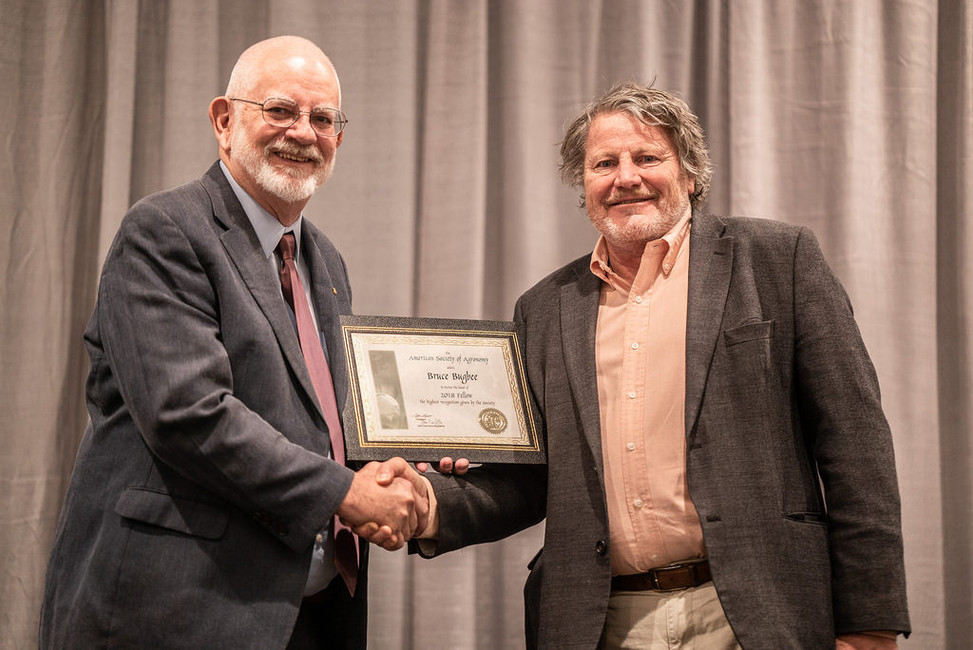
Apogee's President Named ASA Fellow
Congratulations to Apogee founder, Dr. Bruce Bugbee, for being named a Fellow of the American Society of Agronomy (ASA), the professional society of crop and soil scientists, educators, and practitioners who work to discover and apply agronomic solut…
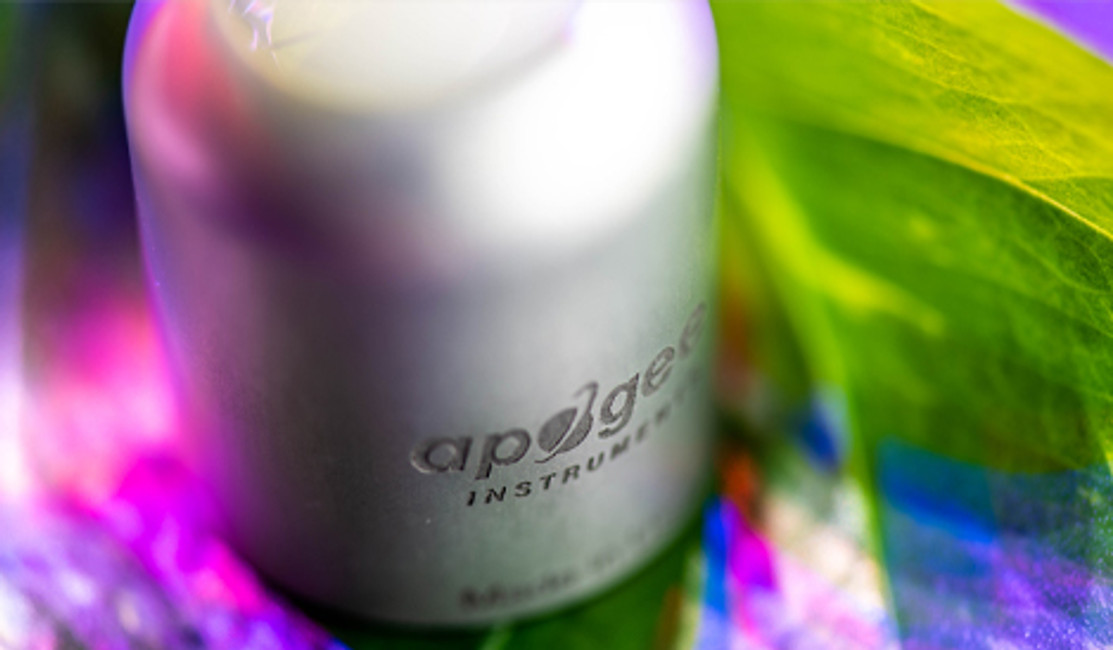
The New 400-750 nm ePAR Range Explained
For the last 50 years, the definition of photosynthetically active radiation (PAR) is that it starts at 400 nm, stops at 700 nm, and is equal in between. This has been true since the days of Keith McCree, and it’s the definition Apogee’s
S…
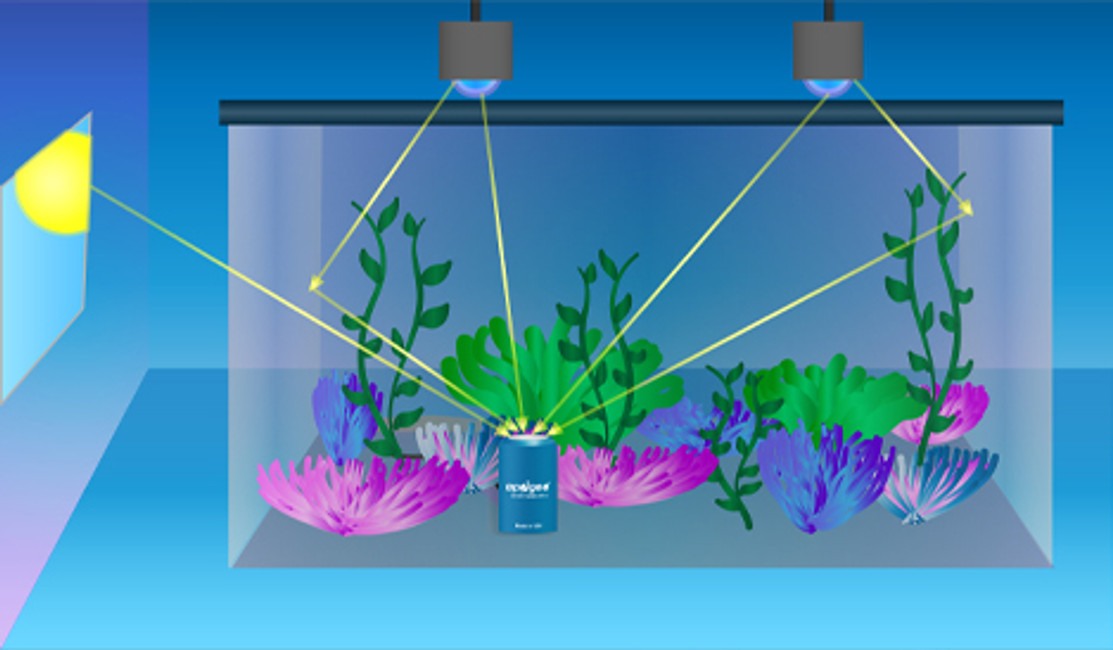
Taking Control of the Immersion Effect
Did you know the amount of light a coral receives has a strong influence on its growth rate? Too much light can speed up coral bleaching. Too little light can cause coral browning.
For these reasons, selecting the correct sensor is ke…
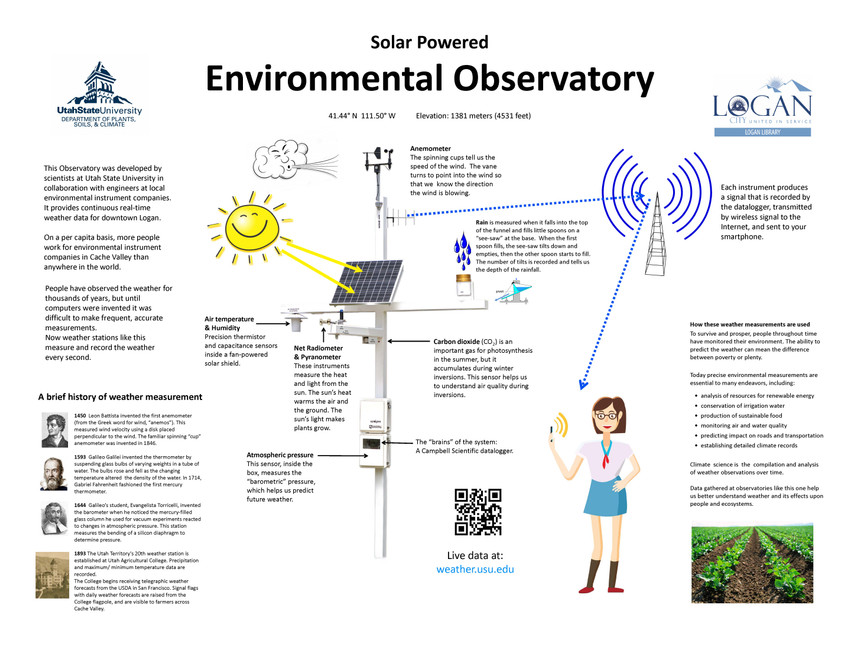
Apogee Helps Donate Weather Station to Logan Library
Apogee Instruments, Campbell Scientific, and the Department of Plants Soils and Climate at Utah State University are pleased to announce the dedication of a state-of-the-art educational weather observatory on the Logan, Utah library plaza. The dedica…
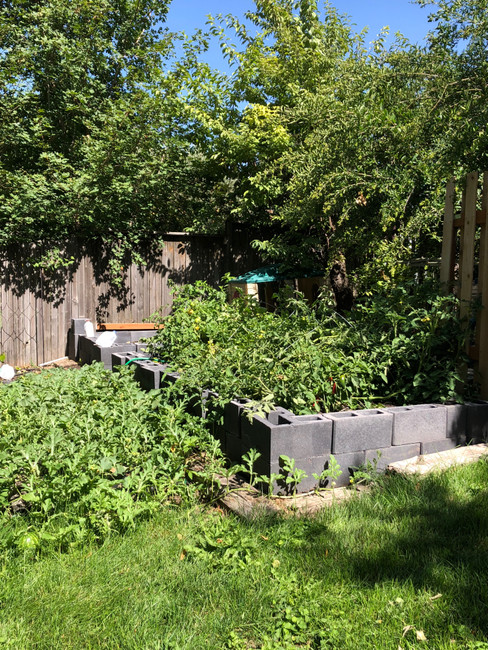
Where Should the Raised Garden Bed Go?
A common question among many new home owners is: where should we put the vegetable garden? This question is especially important for those of us who have purchased homes that are 40 years old, or older, and the landscaping of the house and neighborho…